Myopia Management for Children in Sugar Land
Nearsightedness usually keeps changing as kids grow. At First Colony Vision, Dr. Virani helps families slow that change with proven approaches, so your child sees clearly today and has healthier eyes for life.
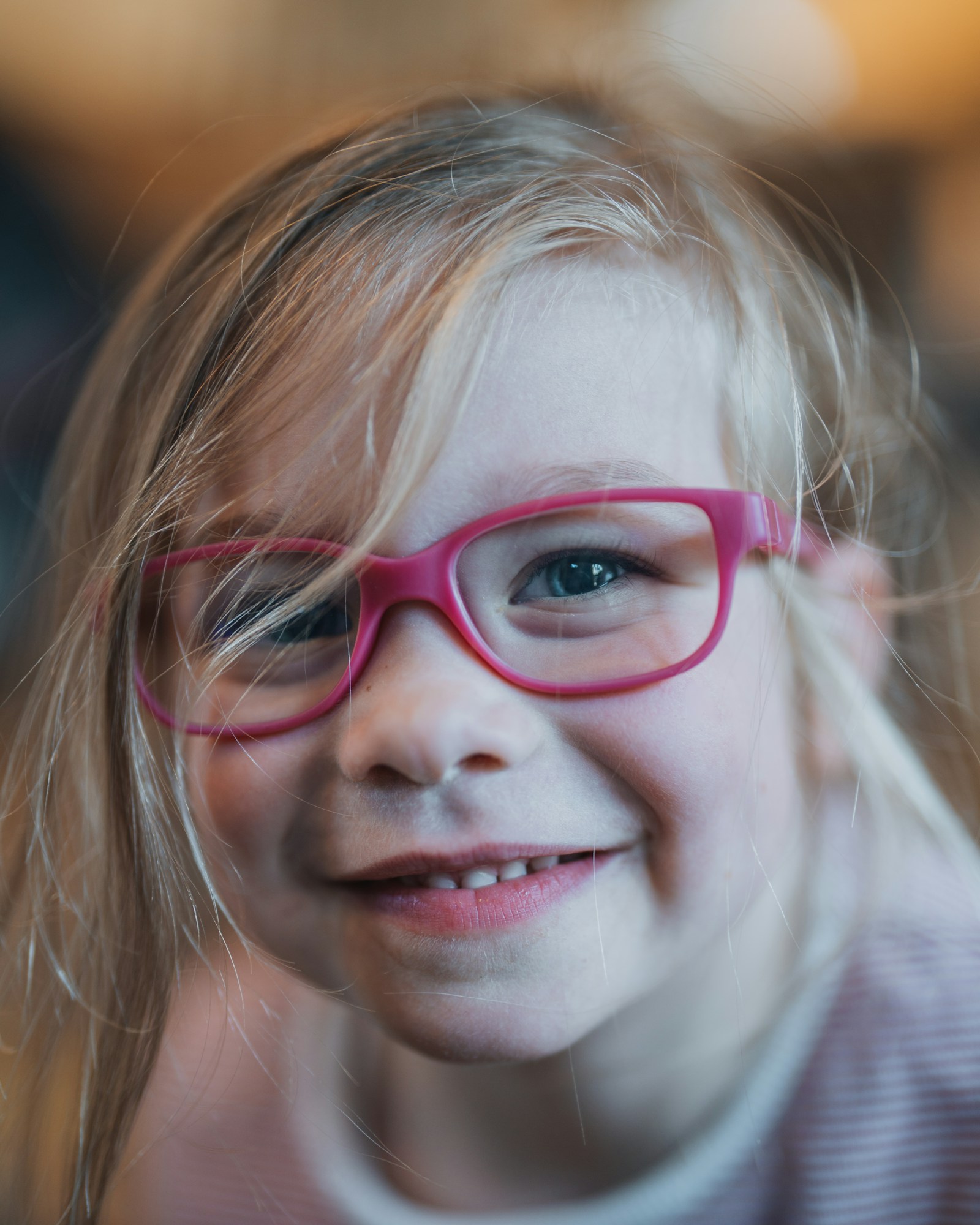
Clear up close, blurry far away
Myopia, or nearsightedness, means your child can see books and screens comfortably, but things in the distance, like the whiteboard, a street sign or a friend across the field, look fuzzy. It happens when the eye grows a little too long from front to back, so light comes into focus just in front of the retina instead of on it.
Myopia is very common, and it is showing up in more children, and at younger ages, than it used to. Once it starts, it tends to get stronger year after year while a child is still growing.
It's about more than a stronger prescription
There is no cure for myopia, but its progress can often be slowed. That matters because higher levels of nearsightedness are linked with a greater lifetime risk of serious eye conditions, including:
- Retinal detachment
- Myopic maculopathy
- Glaucoma
- Cataract
Children's eyes change the most during the school years, so that is when management can do the most good. Starting sooner gives your child the best chance of ending up with a lower prescription as an adult.
Is your child nearsighted?
Kids rarely say their vision is blurry, because they assume everyone sees the way they do. These everyday clues are worth a closer look:
- Squinting or tilting the head to see the board, the TV or road signs
- Sitting very close to screens or holding books and tablets close to the face
- Complaints of headaches or tired eyes after school
- A dip in grades, or a teacher noticing trouble with work on the board
- Struggling to track the ball or losing interest in sports
- Pulling back from games or activities with friends that involve seeing at a distance
Notice any of these? Myopia can also show up with no obvious signs at all, which is why yearly eye exams matter for school-age children. Learn more about our child eye exams.
Proven ways to slow myopia
Every child is different, and there is no one best option for everyone. Dr. Virani will discuss which options are right for your child based on their eyes, age and lifestyle.
Myopia-control soft contact lenses
Daytime soft lenses with a special optical design that gives clear vision while sending a different focus signal to the edge of the retina. They are worn like regular contacts and thrown away on schedule. Ask us about options such as MiSight® 1 day.
Orthokeratology (overnight lenses)
Custom-fitted rigid lenses worn only while your child sleeps. They gently reshape the front of the eye overnight, so many kids can see clearly through the day without glasses or contacts.
Low-dose atropine eye drops
A much weaker version of an eye drop that has been used in eye care for decades, given once a day, usually at bedtime. It is often used alone or alongside lenses or glasses.
Myopia-control spectacle lenses
Eyeglass lenses built with a special pattern across the lens, a good fit for children who are not ready for contacts. Your child gets clear vision from glasses that look like any other pair.
Healthy habits help too
Alongside treatment, we encourage plenty of time outdoors in daylight and regular breaks from close-up work like reading, homework and screens. Small changes to everyday routines can support your child's eyes.
What to expect at First Colony Vision
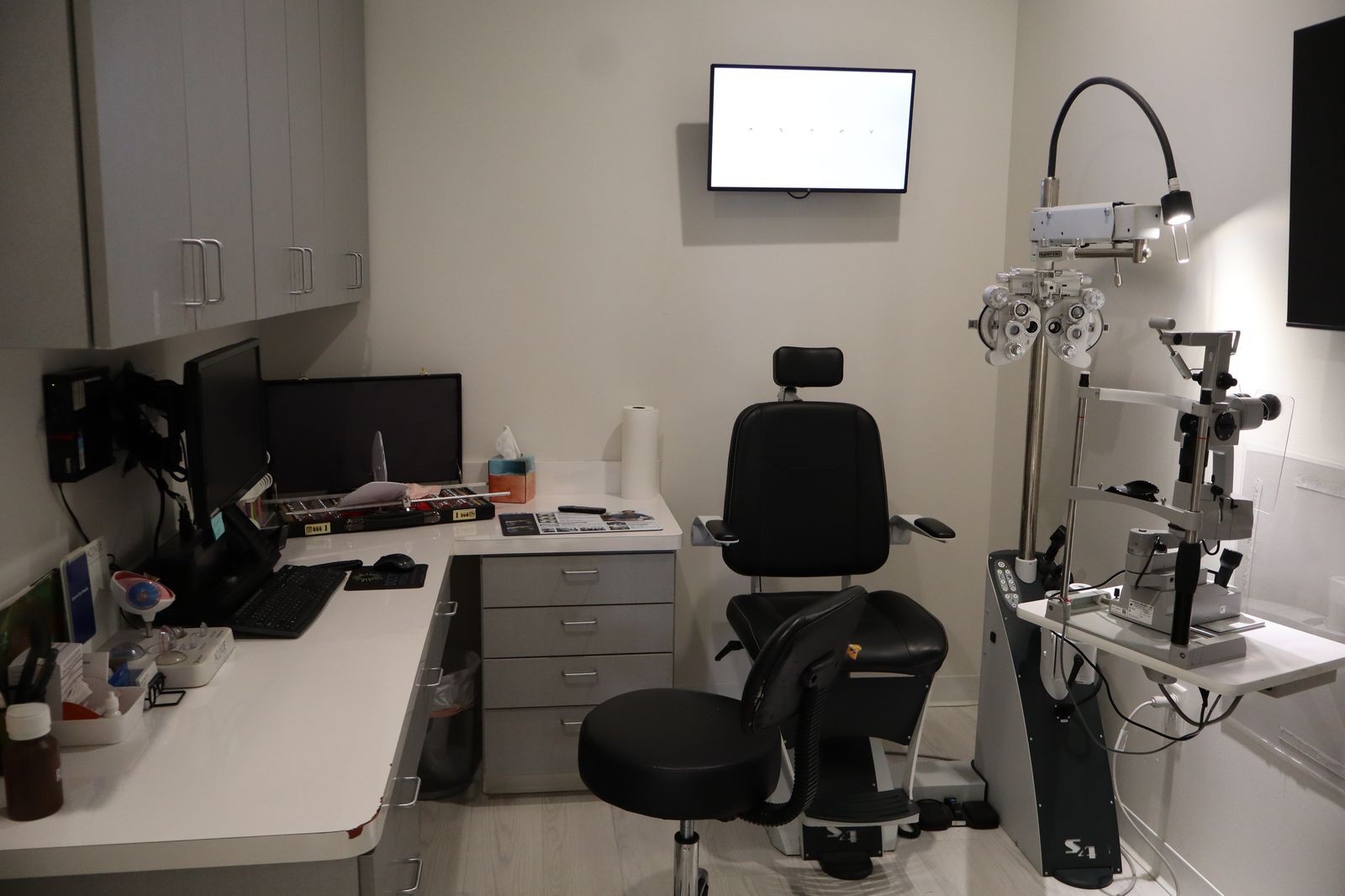
Our Sugar Land office is set up to make kids comfortable, and Dr. Virani takes time to explain each step to both you and your child.
- 1
A full look at your child's eyes
We start with a thorough pediatric eye exam that checks vision, focusing, eye teamwork and eye health, not just the prescription.
- 2
Measuring where things stand
Dr. Virani records your child's current prescription and, when it helps, other measurements of the eye, so we have a clear starting point to compare against at every visit.
- 3
A plan that fits your family
We talk through your child's age, routine, activities and comfort level with lenses or drops. Dr. Virani will discuss which options are right for your child, and you decide together.
- 4
Regular follow-ups
Myopia management is ongoing. We see your child regularly to confirm the plan is working, check eye health and adjust the approach as they grow.
Questions parents ask us
Is myopia management the same as getting glasses?
No. Regular glasses and contacts sharpen blurry distance vision, but they are not designed to change how quickly nearsightedness gets worse. Myopia management uses specific lenses, drops or a mix of both with the goal of slowing that change, while still giving your child clear vision.
What age should my child start?
There is no single right age. Nearsightedness tends to change fastest in younger children, so it makes sense to talk about management as soon as myopia is found, or even earlier if both parents are nearsighted. Dr. Virani will look at your child's eyes and history before recommending anything.
Can kids really wear contact lenses?
Many children handle contact lenses well once they are shown how to put them in, take them out and keep them clean. We teach both you and your child, and we only move forward when everyone feels comfortable.
Will my child stop needing glasses?
Myopia management is not a cure, and it does not reverse nearsightedness that is already there. The aim is to slow how much it increases over the growing years, which helps keep long-term eye health risks lower.
Does screen time and time outdoors really matter?
Daily habits are part of the picture. Time spent outdoors in daylight is encouraged for children, and regular breaks from close-up work like reading, homework and devices are a good idea. We will share simple, realistic tips at your visit.
Give your child's eyes a head start
Book a visit with Dr. Virani in Sugar Land to find out whether your child is nearsighted and which myopia management options make sense for your family.
Book an Appointment